

 Lily James
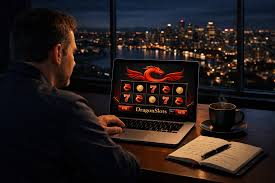
For years, slot games competed on surface appeal. Louder colors. Bigger characters. More elaborate themes. Ancient worlds, movie tie-ins, cartoon mascots that promised excitement before a single spin happened. Those things still exist, but they no longer decide whether a game succeeds. What really matters now is how long someone stays, how often they return, and how smoothly the game fits into the rest of their day. Modern slot design is less about what the game looks like and more about how it manages a session.
Themes get attention, structure keeps players
Themes still matter at the door. They help a game get noticed in a crowded lobby. But once play starts, the theme fades into the background quickly. What takes over is rhythm. How fast the game moves. How often it pauses. How wins and losses are spaced. Whether the experience feels tense, relaxed, or draining. Players don’t leave because a theme is bad. They leave because a game feels tiring, confusing, or awkward to step away from. That’s a design problem, not a creative one.
Sessions became shorter and less focused
Slot design changed when player behavior changed. Today, most sessions are fragmented. A few spins during a break. A quick check while watching something else. Games are opened, closed, and reopened without ceremony. Often on unstable connections. Often with distractions.
Online slots built for long, uninterrupted attention struggle in that environment. Games that expect constant focus feel demanding. Games that tolerate interruption survive. Session management means designing for that reality. Making sure the game resumes cleanly. Making outcomes feel complete even if play stops suddenly. Allowing players to leave without feeling like they abandoned something unfinished.
Pacing matters more than spectacle
Modern slots are carefully paced. Not just in spin speed, but in emotional flow. Too many near-misses exhaust players. Too many features overwhelm them. Too few moments of resolution make sessions feel flat. Designers now think in terms of energy curves rather than excitement spikes. A well-managed session doesn’t constantly push. It breathes. It gives small releases. It avoids emotional overload. That balance keeps players comfortable enough to continue, or to return later.
Volatility is a session decision, not a math one
Volatility used to be discussed purely as mathematics. High risk. Low risk. Big swings or steady returns. Now it’s treated as a session-shaping tool. High volatility compresses emotional intensity. It shortens sessions naturally. Lower volatility stretches play and creates smoother experiences. Designers choose volatility based on how they want sessions to feel, not just how payouts are distributed. The math hasn’t changed. The intention has.
Features are designed to manage exits
One of the clearest signs of session-first design is how features are handled. Bonus rounds used to pull players deeper, encouraging longer play at all costs. Now many features are designed to conclude cleanly. They wrap up. They resolve. They don’t trap players in extended sequences that feel hard to abandon. That’s not accidental. A game that allows a satisfying exit earns trust. Players are more willing to return to something that doesn’t punish them for stopping.
Why themes became secondary
Themes still decorate slots, but they no longer carry the experience. A strong theme can attract a click. It can’t save a poorly managed session. Players remember how a game made time feel. Whether it dragged. Whether it stressed them. Whether it fit easily into a short window or demanded more attention than they wanted to give. Those impressions are shaped by structure, pacing, and control. Not by symbols or storylines.
Slot design followed behavior, not fashion
This shift wasn’t driven by creative trends. It was driven by observation. Designers watched how people actually played. When they left. When they returned. What frustrated them. What didn’t. That kind of behavioral insight became impossible to ignore on large platforms like Betway, where thousands of short, fragmented sessions reveal patterns far more clearly than theme testing ever could.
The result is a quieter kind of design. Less about spectacle. More about flow. Less about themes. More about managing time, attention, and emotional load. Modern slots aren’t trying to be memorable stories. They’re trying to be experiences that fit into real routines without friction. And that’s why session management, not themes, now sits at the center of slot design.
READ MORE : Boba Franchise Opportunities for 2025