

 Lily James
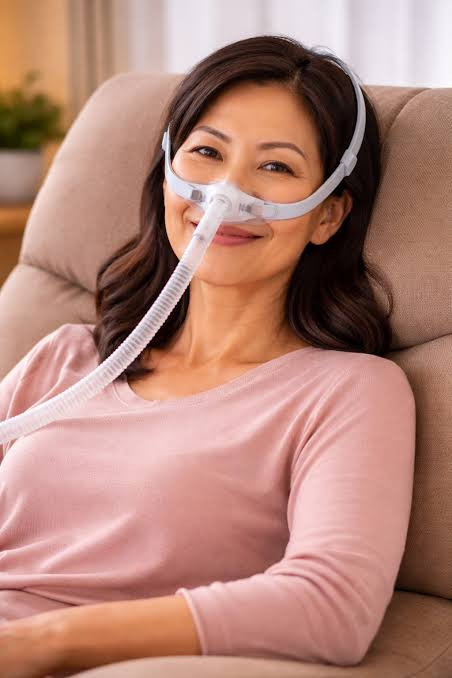
Selection of appropriate CPAP mask can result in a high difference between the comfortable and effective sleep therapy. Although the traditional CPAP mask has long been successful, numerous users are now converting to nasal pillows masks as they are lighter and less intrusive. The AirFit P10 Nasal Pillow mask is one of the most widely used among all the alternatives currently offered; it has a rather minimalistic design and a convenient fit to be comfortable with.
Being aware of the variations between the P10 mask and standard CPAP masks can assist users to choose the one that suits their sleeping behaviors, comfort choice, and treatment requirements.
Knowing About P10 Nasal Pillow Mask:
The P10 Nasal Pillow mask has small, soft cushions which are placed at the entrance of the nostrils. Rather than covering the nose or face it delivers airflow by means of lightweight nasal pillows.
It is small in size and minimizes physical contact with their face and enables the users to sleep without many limitations. Its mask is particularly popular with those who like a less cumbersome sleep therapy solution.
What Are Traditional CPAP masks?
Conventional CPAP masks mostly are either one of the following:
- Whole nose nasal masks.
- Complete face masks, which include the nose and the mouth.
These masks afford more contact area and are generally advised to users that need higher pressure settings, mouth-breath during sleep, or whose noses are often congested.
Size and Design:
Among the strongest distinctions between the traditional and P10 masks is the size in general. The nasal Pillow Mask P10 has a discrete frame with a headgear which is also lightweight therefore it is one of the least-invasive types of mask in the market.
The open field of view, enabling many users to read, watch TV, or even put on glasses, before going to bed, is adored by many users. The traditional masks are bigger and they would cover the entire face. Although they offer a fantastic therapy aid, others consider them to be cumbersome and uncomfortable.
Comfort During Sleep:
One of the determining factors in mask selection is comfort. The lightweight design of the P10 does not exert much load on the face and makes the occurrence of the red and pressure sores less likely. Side sleepers like nasal pillow masks due to their lesser chances of movement when the head is pressed to a pillow. Older masks can offer a safe and secure fit but can cause further pressure around the nose, cheeks or forehead depending on design.
Facial Contact:
The P10 is often the favourite of users who do not like having a big part of their face covered. The nasal pillow design avoids skin contact and offers a more natural sensation during therapy. This attribute may be particularly valuable to persons with sensitive skin or who are irritated by bigger masks. The traditional masks cover a greater portion of the face and could need further modifications in order to make them comfortable.
Seal Performance:
The sealing surface of traditional masks is usually larger, which may be beneficial to some operator. The P10 forms seal using the soft nasal pillows which lie on the nostrils. It gives good performance and few leaks when fitted properly. Users are however required to make sure that they adopt the appropriate pillow size in order to achieve the best outcome. Standard CPAP mask offers extra stability to users who are active sleepers or those who require higher pressure levels.
Cleaning and Maintenance:
The simple construction of the P10 enables a clean-up to be an easy task. Having fewer parts than most traditional masks, they might be maintained in a short period of time every day. The traditional masks can have other components such as cushions, frame components and other parts in touch with the body and need frequent cleaning and inspection.